No. A food ingredient silo can appear completely clean while still containing allergenic residues that cannot be seen. Visual cleanliness is useful evidence that visible deposits have been removed, but it does not establish that allergenic proteins are absent or that the vessel is suitable for every subsequent ingredient.
This distinction matters when a manufacturer changes from an ingredient containing a particular allergen to one that should not contain it. The decision to restart production needs to reflect the previous material, the cleaning method and the site’s established allergen controls.
What a visual inspection actually establishes
After cleaning, an inspection may identify remaining powder, caked material, discolouration or deposits around accessible surfaces and discharge points. Finding these residues shows that further attention may be needed before the cleaning work can be considered complete.
However, an apparently clean wall or outlet is not evidence that every trace of the previous ingredient has disappeared. A thin residue may remain in surface irregularities, seals or other difficult areas without forming an obvious visible layer.
The Food Standards Agency’s review of food allergen cleaning research identifies visual cleanliness as an important initial check, while explaining why visual inspection alone cannot establish allergen removal.
Where allergen cross-contact can occur
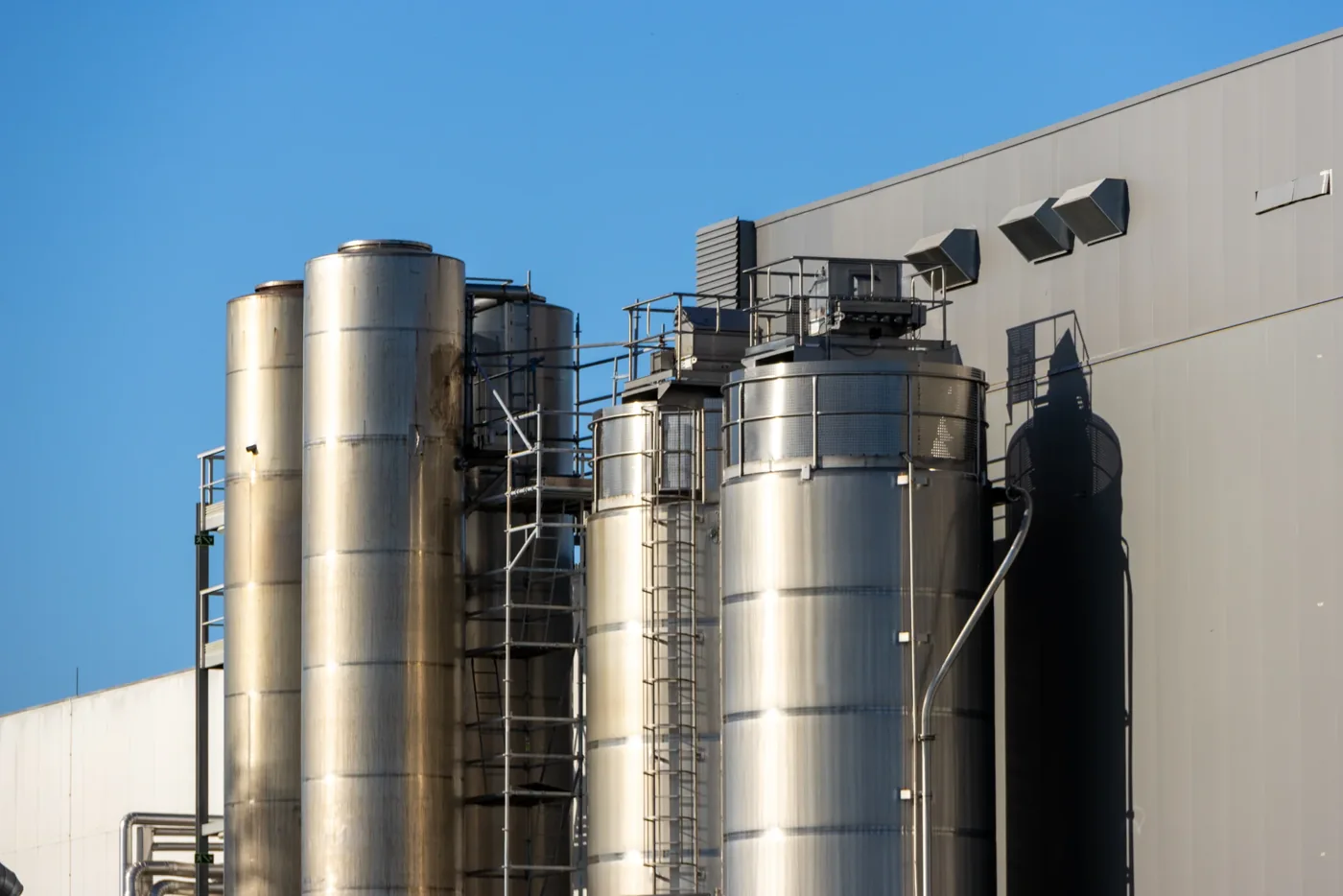
A silo is only one part of an ingredient handling system. Product can remain in locations that are not visible when looking into the main vessel.
Points requiring consideration during a changeover include:
- Wall deposits: Previous ingredients can remain on surfaces outside the normal flow of material.
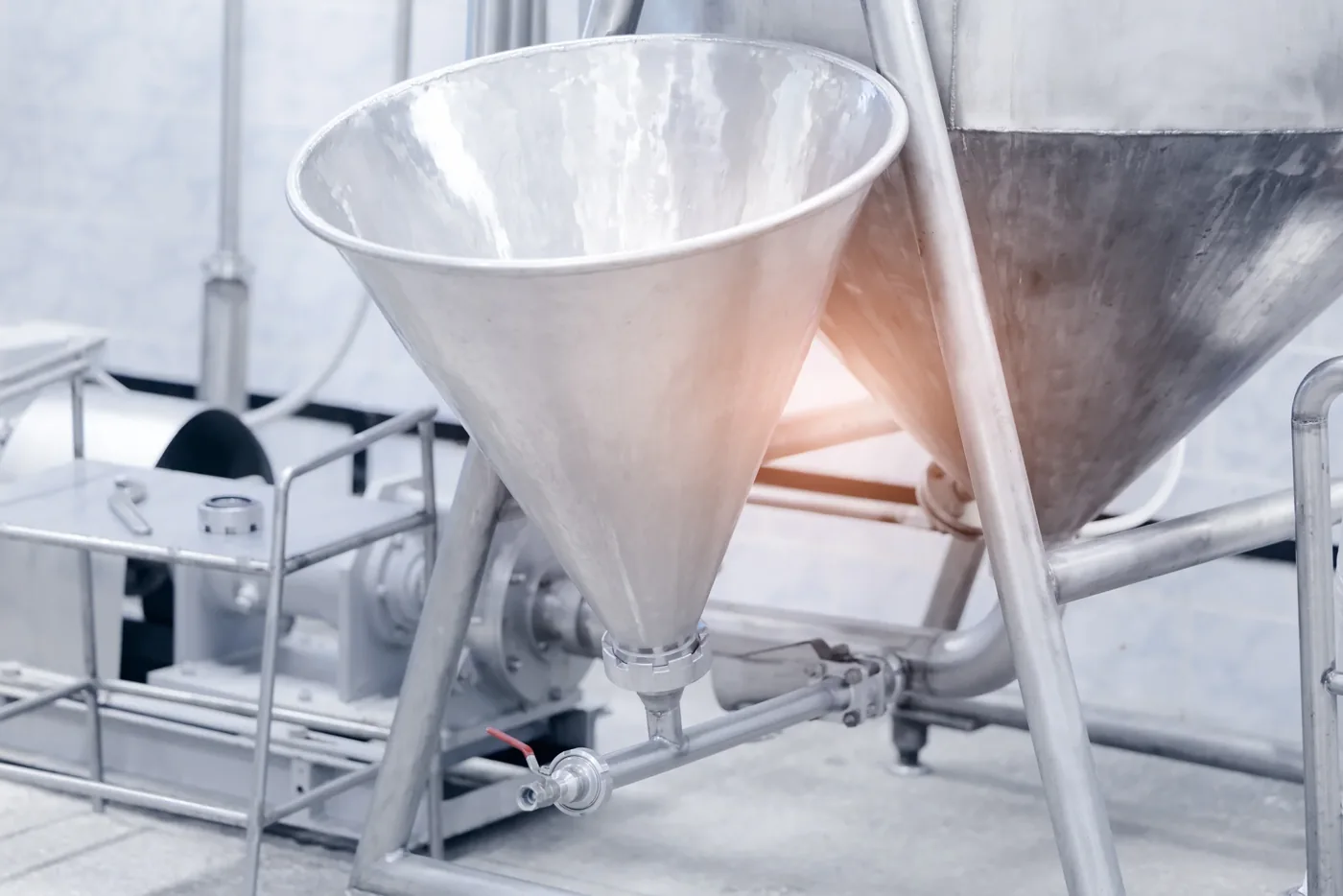
- Outlet transitions: Product can accumulate where the silo narrows towards its discharge arrangement.
- Transfer connections: Pipework, valves and connected equipment may contain material from an earlier run.
- Seals and fittings: Residue can remain around interfaces that are difficult to assess visually.
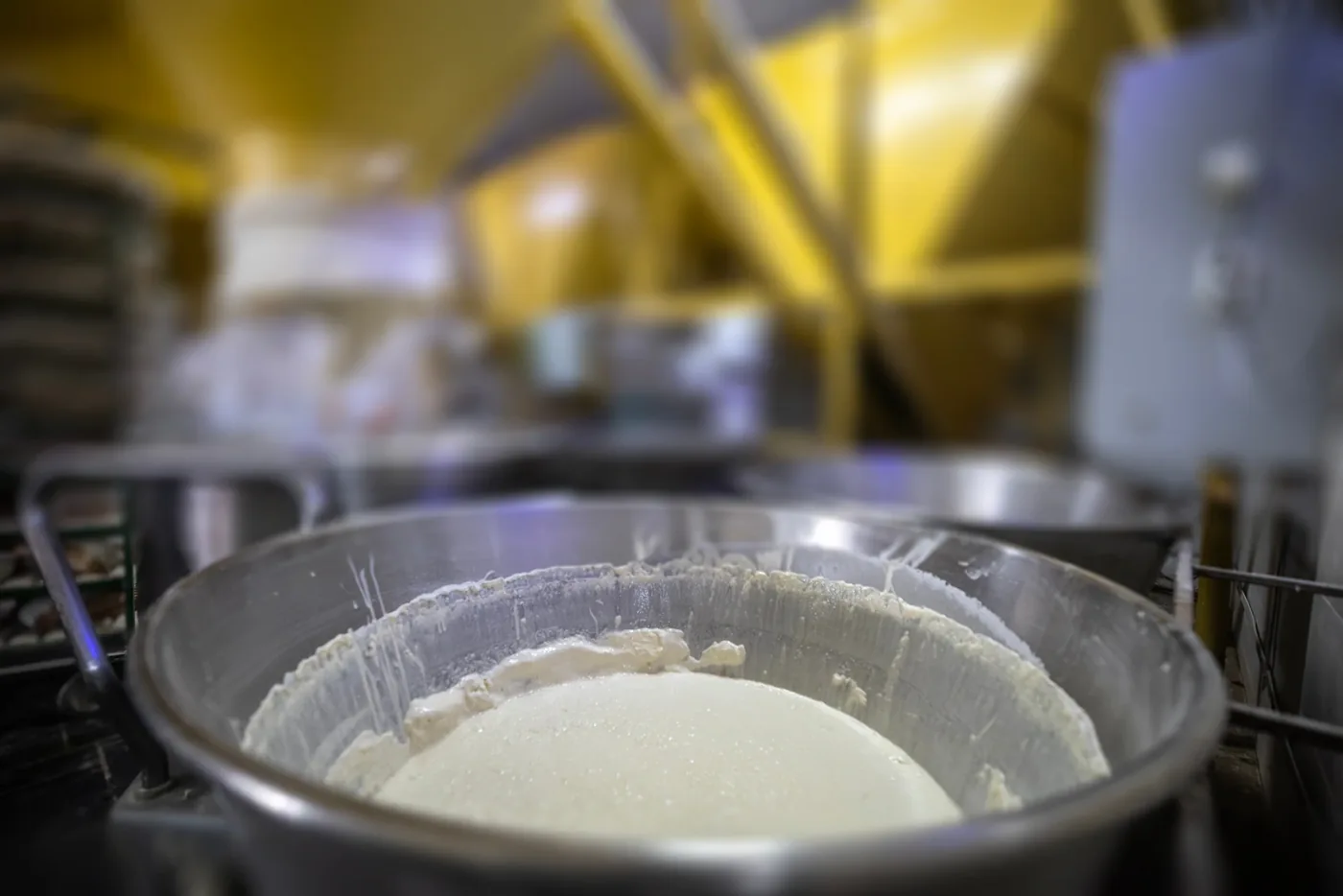
For example, flour storage arrangements may have retained powder in the vessel and connected discharge equipment. Removing the visible flour from the silo does not necessarily address every contact surface that the next ingredient will encounter.
The scope of cleaning therefore needs to match the actual route taken by the material, rather than assuming that the condition of the main vessel represents the entire system.
Cleaning validation and routine verification are different
Cleaning validation establishes whether a defined cleaning procedure is capable of achieving its intended allergen-control outcome under specified conditions. It considers the relevant ingredients, equipment, cleaning method and evidence needed to demonstrate effectiveness.
Verification checks whether that established procedure has been carried out effectively on a particular occasion. It may include documented inspections, cleaning records and appropriate analytical methods selected under the manufacturer’s programme.
The choice of testing method matters. A general indication of cleanliness is not necessarily a measurement of a particular allergen. Sampling locations, detection limitations and the food material involved all influence how results should be interpreted.
Neither a clean appearance nor an isolated negative test should be treated as an unconditional guarantee. The evidence must be considered together, in relation to the intended next product.
Who decides whether the next ingredient can enter?
The food manufacturer remains responsible for deciding whether the changeover meets its food safety and allergen management requirements. Cleaning completion and production release are separate decisions.
Before authorising the next run, the responsible production or quality team needs to establish:
- Which allergens were present in the previous ingredient and whether they are relevant to the next product.
- Whether cleaning covered the vessel and applicable connected equipment.
- Whether the agreed inspection and verification evidence meets the site’s acceptance criteria.
- Whether any unresolved residues or results require further action.
A contractor’s record of removed deposits can contribute to this assessment, but it does not replace the manufacturer’s allergen verification or release authorisation.
For ingredient changeovers requiring removal of retained material, food grade silo cleaning addresses the physical cleaning stage. The manufacturer’s documented controls establish whether the cleaned system is acceptable for the next ingredient.