

Lime silo cleaning removes dust and caked deposits from storage vessels used in processing and treatment. Quicklime and hydrated lime have different properties, so the product identity and present condition of the residue matter before a cleaning method is selected.
Lime Silo Cleaning
Lime silo cleaning removes dust and caked deposits from storage vessels used in processing and treatment.
HomeLime Silo CleaningLime Silo Cleaning enquiry
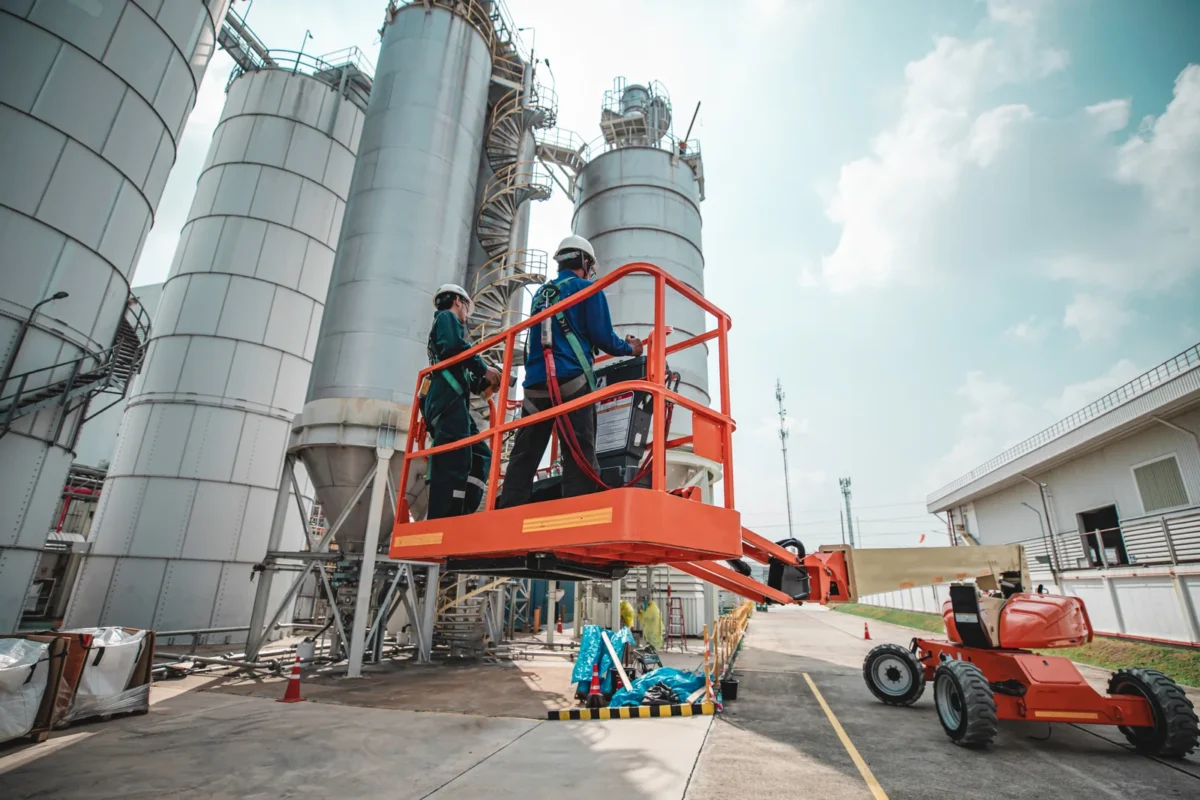
Lime and moisture
Moisture can affect lime deposits, so product information matters when considering the cleaning method.
Residue containment
Dust and removed material need handling arrangements suited to the lime held in the silo.
Quicklime and cleaning compatibility
Quicklime reacts with water and releases heat. That makes washing a product-specific decision rather than a routine step. Hydrated lime has different properties but still requires controls for contact and dust exposure. The current safety data sheet informs the assessment alongside the condition of the deposit. We consider the cone, accessible wall surfaces and connected equipment so cleaning does not damage aeration pads or leave material blocking the outlet.
Discuss lime silo cleaning
Complete the form and we will get back to you.
Returning the silo to service
The cleaning objective may be reliable discharge, preparation for an inspection or a change of use. The finish follows that objective, and we explain any remaining access limits. Repeated caking can warrant investigation of moisture ingress and storage arrangements. The location of the removed deposit can inform the site’s maintenance assessment.
Recovered lime should be assessed in its present condition before any decision on reuse or disposal, particularly where it has been exposed to moisture or mixed with another process material.
Lime Silo Cleaning: common questions
Are quicklime and hydrated lime cleaned in the same way?
Their properties differ. The product identity, safety data sheet, deposit condition and silo construction determine a suitable method.
Why has lime stopped discharging?
Caking or a bridge may restrict flow, but a feeder or outlet fault can look similar. The cause needs assessment before deposits are disturbed.
Can removed lime go back into production?
That depends on its condition and the site's quality requirements. Recovered material should not automatically be mixed with usable product.
Why does moisture exposure matter for removed lime?
Moisture can change the condition and behaviour of the residue. Recovered material should be assessed as it exists now rather than assumed to have the same properties as fresh product.
Does an empty level reading prove the cone is clear?
No. Material may remain around the outlet or on internal surfaces after normal discharge. The accessible areas need checking against the cleaning objective.