

Silo evacuation removes the contents when normal discharge is unavailable or unsuitable. It may be needed after contamination, an operating fault or a decision to take a vessel out of use. We assess the remaining material and arrange controlled recovery, keeping reusable product separate from material that needs a waste assessment.
Silo Evacuation
Silo evacuation removes the contents when normal discharge is unavailable or unsuitable.
HomeSilo EvacuationSilo Evacuation enquiry
Material condition
Compacted or bridged contents may require a different approach from material that can discharge normally.
Receiving capacity
The evacuation plan needs to account for where the released material will go and how it will be handled.
Recovery from a partly filled silo
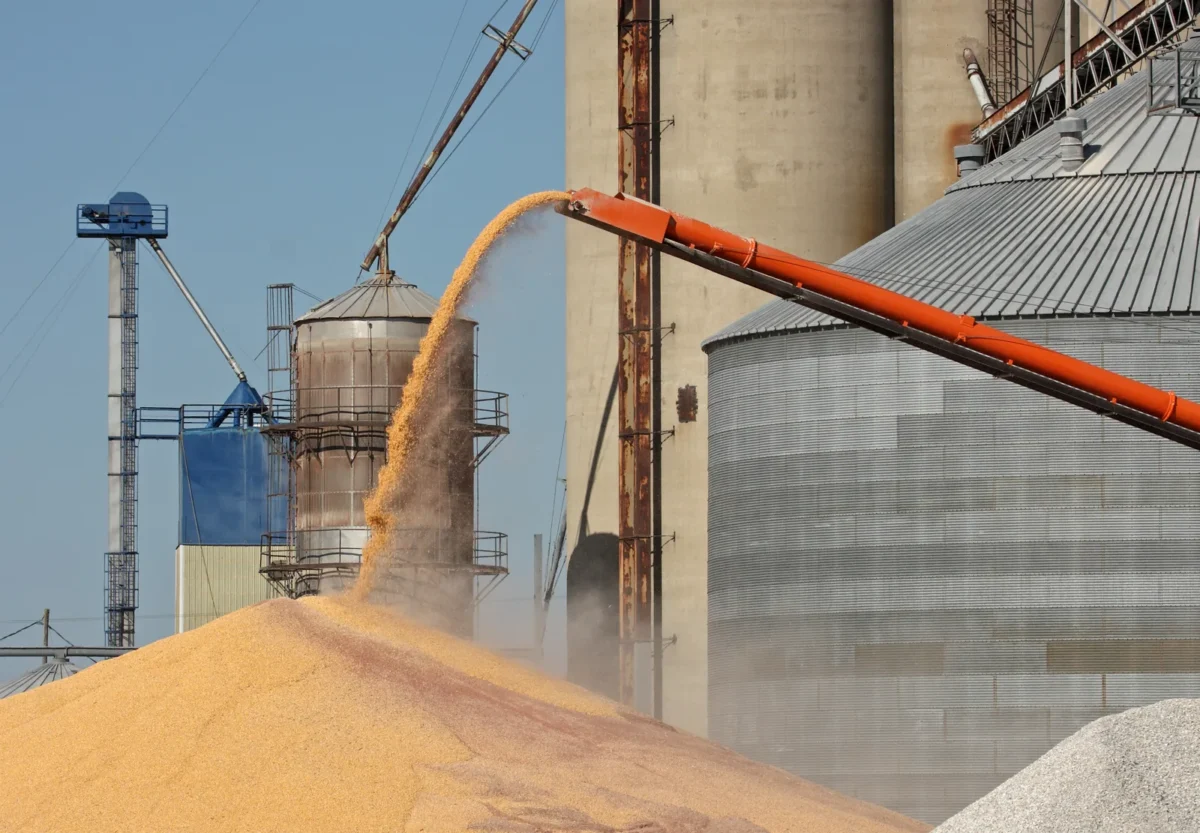
A vessel can contain loose product alongside compacted or suspended deposits. The apparent level does not establish how stable that material is. The recovery plan needs a suitable receiving arrangement and a route that remains controlled as the contents move. Remote equipment may recover material through an existing opening, but reach and discharge restrictions must be considered together. People must not work underneath unstable product.
Discuss silo evacuation
Complete the form and we will get back to you.
Cleaning and recovered material
Bulk recovery leaves the silo ready for the next agreed stage, which may include surface cleaning or inspection. It does not by itself remove every wall deposit. We describe any residue that remains so the site can decide whether further work is required before reuse. The condition of recovered material still determines whether it can return to production.
Where several materials are stored nearby, the recovery route must keep them separate. Product from one silo should not enter another system without the appropriate checks.
Silo Evacuation: common questions
Is evacuation only for a blocked silo?
No. It may also be needed before maintenance, a product change or decommissioning when normal discharge is unsuitable.
Does evacuation include internal surface cleaning?
Not automatically. Bulk removal and the cleaning of retained deposits should be identified separately in the agreed work.
Can the removed product be recovered?
Possibly, if its condition and handling satisfy the site's requirements. Contaminated or uncertain material needs a separate decision.
Why must the receiving vessel or container be identified before evacuation?
Released material needs a suitable destination with enough capacity and the right separation from other products. That is especially important where contamination or mixed materials are involved.
Can I enter a partly filled silo to check what remains?
Do not enter beneath or onto unstable stored material. The remaining contents and any suspended deposit need to be assessed without relying on entry for a better view.