

Flour silo cleaning removes the older flour that remains outside the normal flow of ingredients. We clean internal surfaces for mills and bakeries, with the work matched to the site’s hygiene procedure. Residue around a fitting can matter as much as a visible deposit on the main cylinder.
Flour Silo Cleaning
Flour silo cleaning removes the older flour that remains outside the normal flow of ingredients.
HomeFlour Silo CleaningFlour Silo Cleaning enquiry
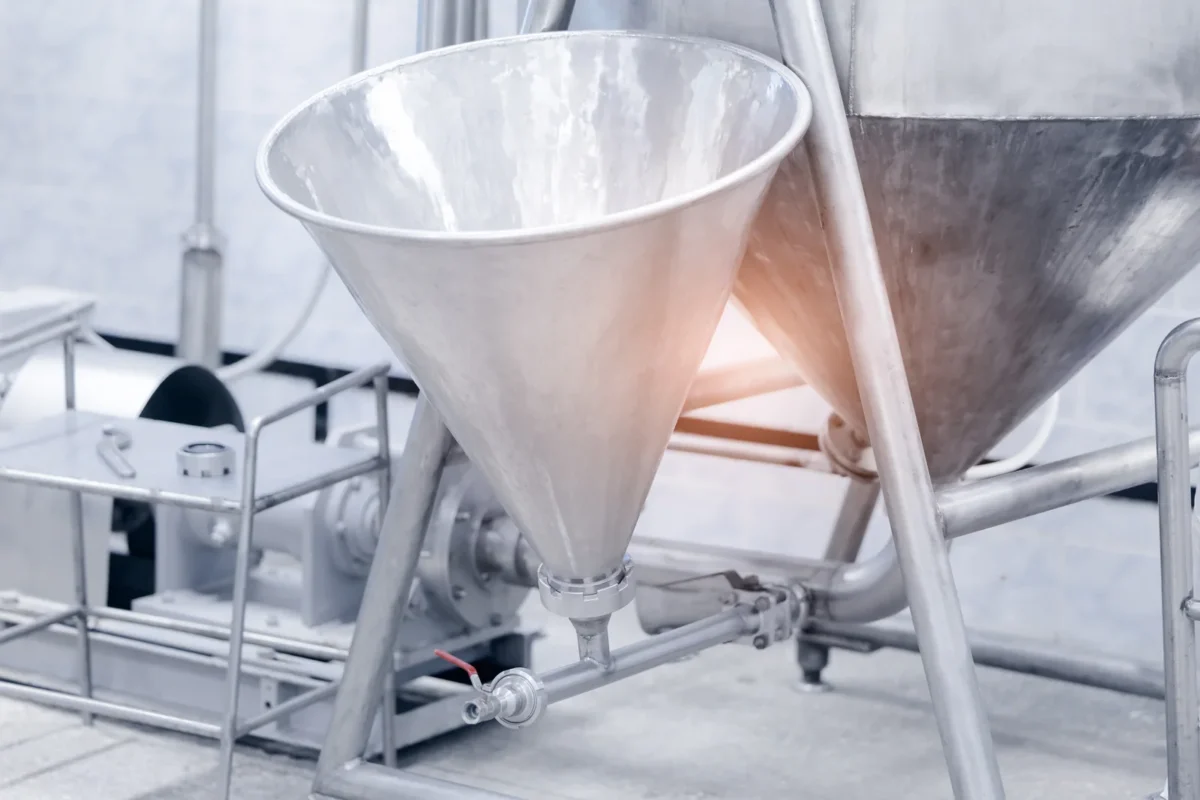
Flour deposits
Flour can collect on internal surfaces and around discharge fittings, affecting the areas requiring cleaning.
Bakery hygiene arrangements
The intended use and site hygiene procedures guide the cleaning and the checks needed before production resumes.
Fine flour residue and cleaning methods
Fine flour dust needs controlled recovery. Equipment and the method must account for the potential for combustible dust, as well as exposure during cleaning. Dry removal is suitable for many flour deposits, but the actual method depends on the vessel and residue. Water is not automatically excluded or included: any wet process needs approval under the hygiene procedure and a reliable way to recover liquid and dry the silo.

Discuss flour silo cleaning
Complete the form and we will get back to you.
Quality checks before refill
We pay attention to joints and transfer points where older ingredient can carry into a new batch. The site’s quality procedure determines any sampling needed before release, particularly where allergen status changes. Repeated caking may indicate a moisture problem that cleaning alone will not fix. We identify where deposits were found so that maintenance and hygiene decisions can use the findings.
Accessible outlet connections can be included where agreed. Conveying lines and other bakery equipment need their own defined cleaning extent rather than being assumed part of the silo clean.
Flour Silo Cleaning: common questions
Why clean a flour silo if flour still flows?
Normal flow can leave older flour in seams and on internal ledges. That residue remains relevant to hygiene and pest management.
Does a flour silo clean include the conveying line?
Only if it is in the agreed service. The silo outlet and connected transfer equipment need a clear boundary.
Can cleaning prove the silo is allergen-free?
Not from appearance alone. Any allergen claim needs an appropriate procedure and verification defined by the site's quality requirements.
Is water always prohibited for flour silos?
No universal method applies. A wet process must suit the vessel and hygiene procedure, with controlled liquid recovery and adequate drying before refill.
What can repeated flour caking indicate?
Recurring caking can point to moisture ingress or another storage problem. Cleaning removes the deposit but does not correct the underlying cause.