

Cleaning for silo testing prepares surfaces or sampling points for the specified checks. A cleanliness sample, wall-thickness measurement and control-system check each establish different things, so a general cleaning result cannot stand in for all three.
Silo Testing
Cleaning for silo testing prepares agreed surfaces or sampling points without presenting residue removal as a structural or control-system test.
HomeSilo TestingSilo Testing enquiry

The component being tested
The test needs to identify the equipment or feature being assessed and the required method.
Test conditions
The test method and coverage determine what the result can establish and what remains outside it.
Preparing a surface for measurement
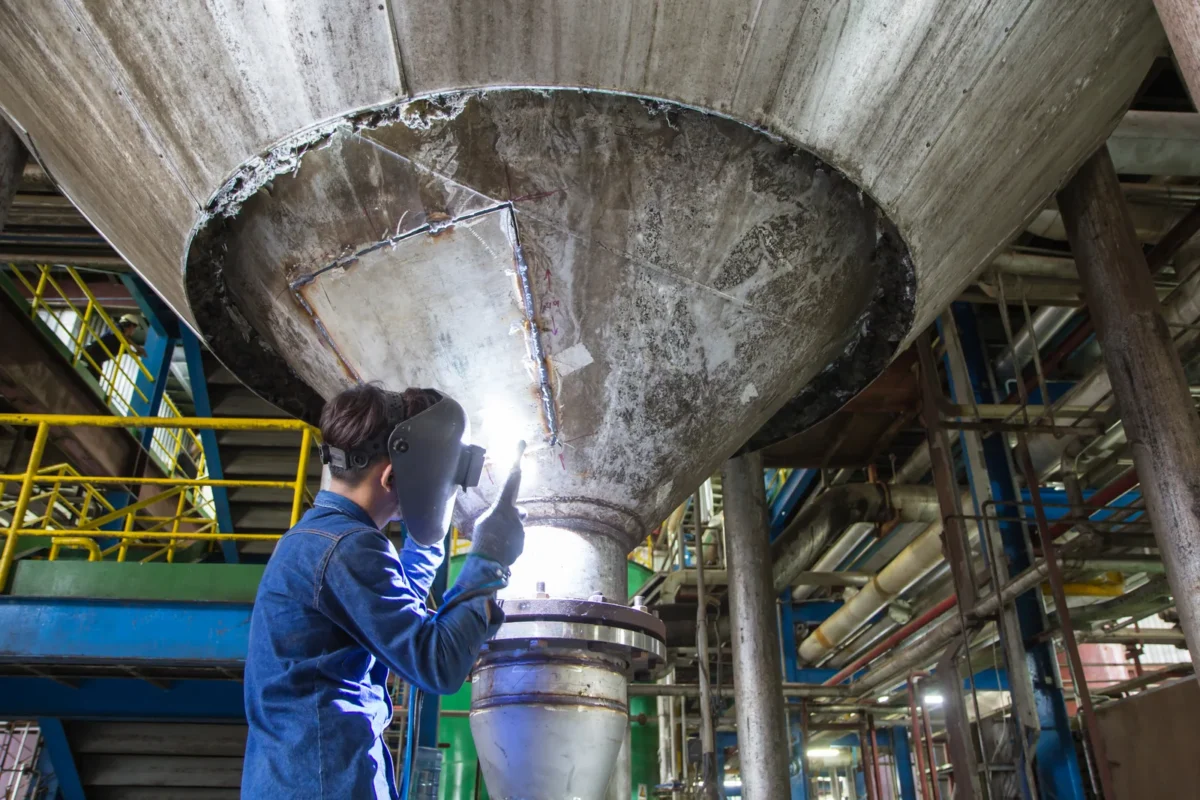
Deposits can obstruct a measurement point or contaminate a sample. The testing procedure determines how clean the area needs to be and whether any surface preparation is permitted. A visual check may locate an area of concern, but it does not quantify remaining wall thickness. We clean around the specified test without damaging the substrate or interfering with the result.
Discuss cleaning for silo testing
Complete the form and we will get back to you.
Limits of silo testing
The people carrying out the test define its method, coverage and acceptance criteria. Our completion information identifies the cleaning performed and any areas that could not be reached. Where several checks are planned, the work sequence should preserve the prepared surfaces until measurements and samples have been completed.
The test report should state its actual coverage and limitations. Preparing selected sampling or measurement locations does not amount to inspecting the entire internal surface.
Silo Testing: common questions
Is silo testing the same as a visual inspection?
No. Testing uses a specified method to obtain particular evidence. Visual inspection can help decide whether and where further tests are needed.
Does a cleaning record certify silo integrity?
No. Integrity requires the relevant assessment and tests; a record of residue removal addresses a different purpose.
Can testing requirements be agreed after cleaning?
Earlier agreement is better because some tests need particular preparation. Cleaning methods should not compromise the sample or surface being assessed.
Can a few test points represent the entire silo?
Only if the specified assessment supports that conclusion. Test coverage and limitations must remain clear; selected readings should not be presented as a full-vessel inspection.
Who sets the acceptance criteria?
The responsible testing or engineering specialist defines the method and criteria. We prepare the agreed areas so the test can be carried out as specified.