If insects are found in stored grain, the first decision is whether the affected grain needs treatment or whether the problem concerns residual material and pest harbourage in the storage environment. Fumigating grain while it remains in storage and cleaning an emptied store address different conditions. Neither automatically substitutes for the other.
For a grain-store operator, the useful starting point is to establish where the insects have been found, whether saleable grain remains in place and what must happen before the next movement or delivery. That information determines whether specialist pest treatment, physical residue removal or a coordinated sequence is appropriate.
Are the insects in the grain or around the store?
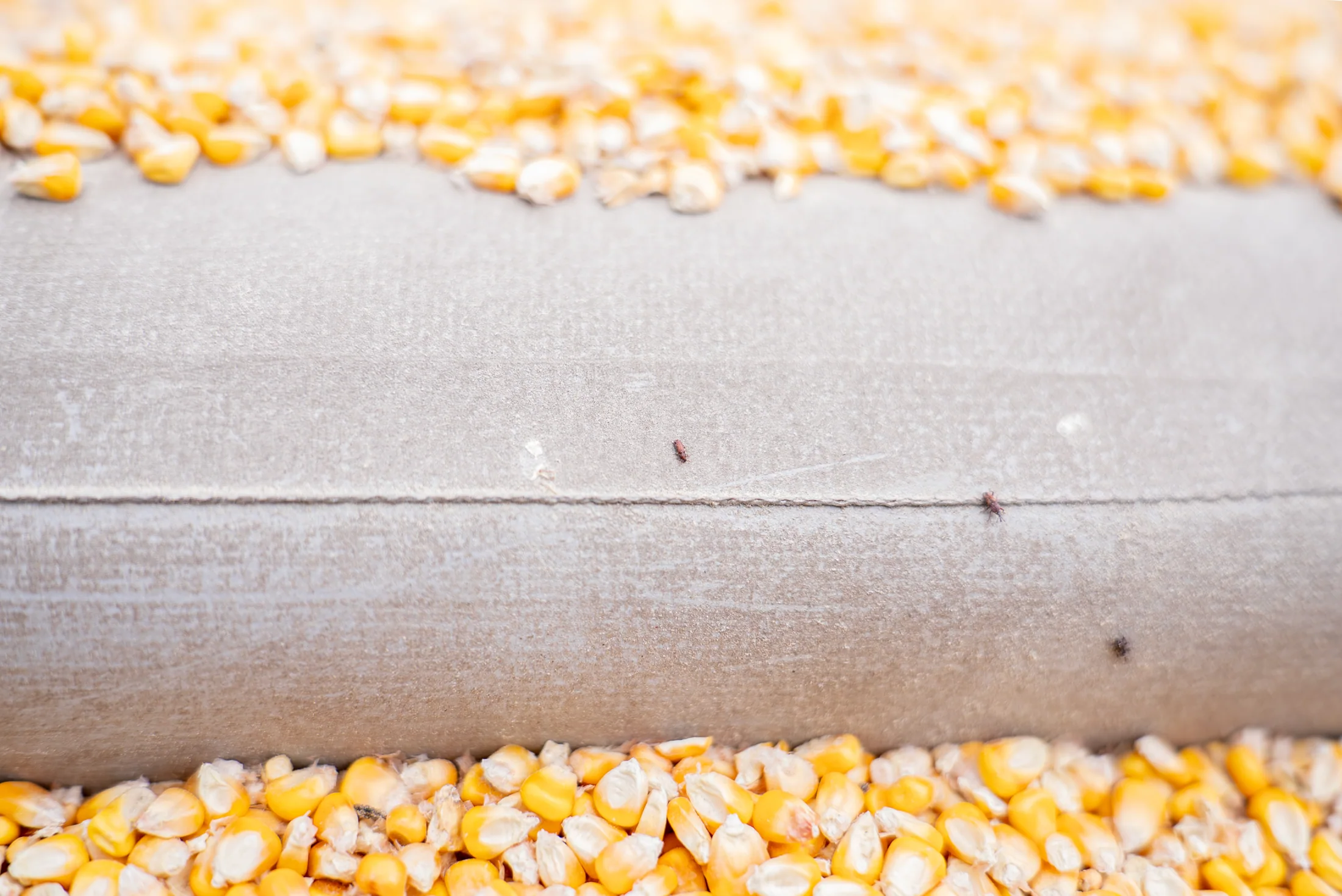
Insects found in a grain sample provide different evidence from insects found beneath an empty conveyor or amongst material left around a floor junction.
Where the standing grain contains live pests, the condition of that grain becomes the immediate question. Cleaning an accessible floor area cannot establish that insects within the stored crop have been controlled.
Where the bulk crop has already been removed, insects may remain associated with spilled kernels, residues in handling equipment or other material left behind. In that situation, treating an absent crop does not address the practical requirement to remove accessible harbourage and prepare the structure for its next use.
The distinction is not always absolute. A store may contain infested grain alongside older residues in adjacent equipment. Both need consideration, but they need not receive identical treatment.
What should be established before deciding on fumigation?
Before a treatment specialist evaluates the options, the store operator should assemble evidence describing the suspected infestation and the storage arrangement.
- Pest evidence: where insects were observed, whether they were alive and which samples or locations produced the findings.
- Grain status: crop type, approximate quantity, intended destination and whether movements are planned.
- Storage arrangement: whether grain is in a vertical silo, bulk bay or other enclosure, including relevant openings and connected transfer routes.
- Operating history: recent deliveries, movements, earlier pest findings and any previous treatment records.
- Programme constraints: when the grain must move and whether nearby production or storage areas must remain in use.
The evidence should be retained by location and date. A single insect found in an equipment recess does not define the condition of an entire grain inventory. Conversely, an apparently clean floor cannot establish that stored grain is uninfested.
For grain exported from England or Wales where phytosanitary certification is required, the Animal and Plant Health Agency’s grain standard operating protocol describes official examination of grain samples for insect pests and the role of professional disinfestation treatment. Those export requirements should not be confused with a general rule that every domestic storage infestation must be fumigated.
When might fumigation of stored grain be appropriate?
Fumigation may be considered where a competent treatment specialist determines that an authorised fumigant is appropriate for the identified pest, stored product and enclosure. The objective is treatment of the defined infestation, not physical removal of dust, old kernels or hardened material.
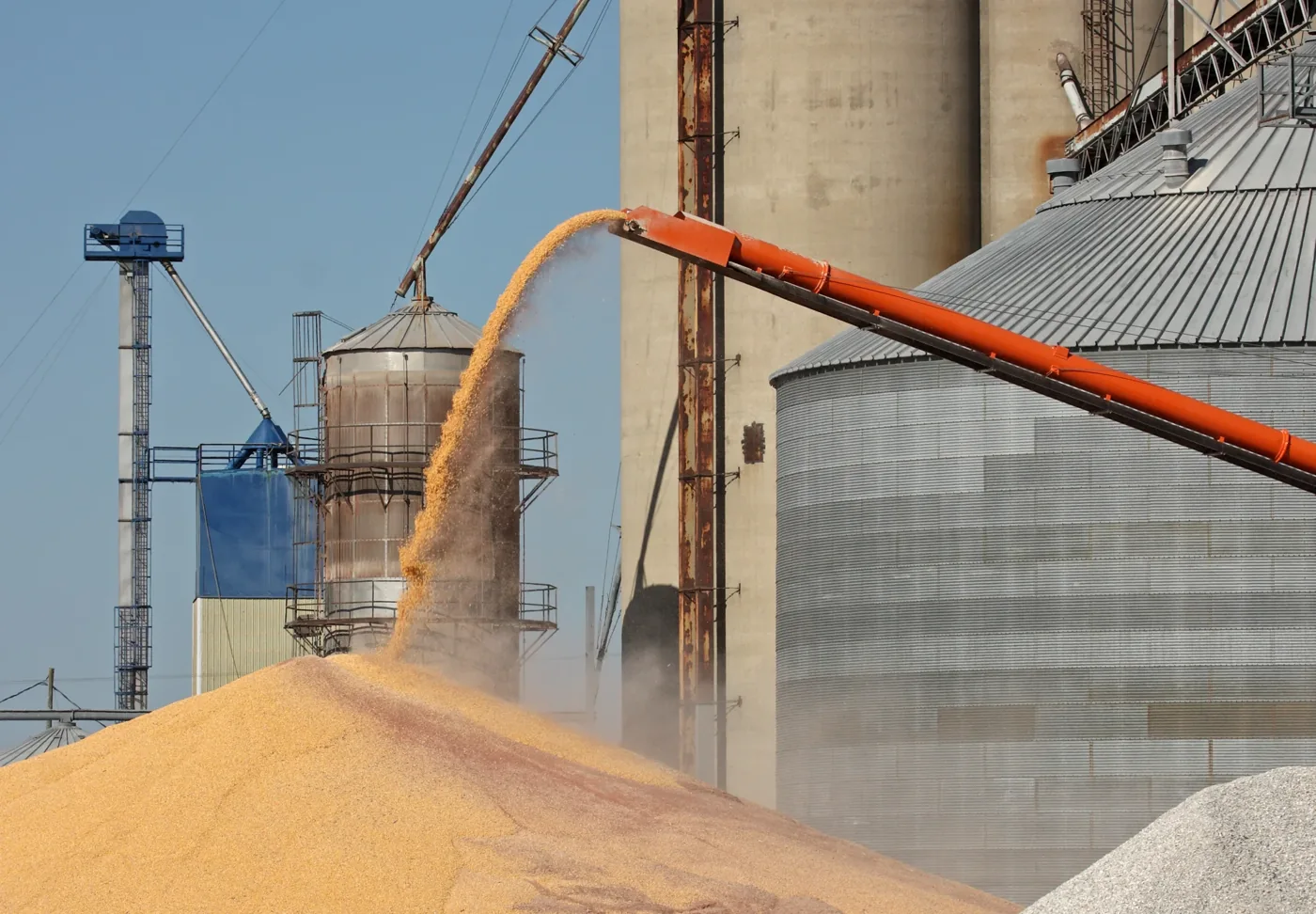
Suitability depends on the approved product conditions and the ability to manage the treatment within the actual storage system. A silo has openings, valves, ventilation routes and connections through which gas could travel. The enclosure’s condition therefore matters as much as the nominal capacity.
The Health and Safety Executive’s fumigation guidance, HSG251, specifically addresses grain in silos, including enclosure sealing, treatment-area controls, gas monitoring and checks before grain movement or access. It demonstrates why fumigation cannot be commissioned simply as an ordinary cleaning operation.
The treatment specialist must determine the appropriate product, method and clearance requirements. The site operator supplies accurate information about the grain, equipment and adjoining activities so that the proposal can be assessed against real conditions.
When is empty-store cleaning the more relevant work?
After grain has been removed, the remaining task may concern old kernels, spilled product and settled dust rather than treatment of grain still in storage.
Material can remain around elevator boots, conveyor transitions, wall junctions, floor edges and other handling interfaces. These accumulations can obstruct inspection and provide locations where residual pests or contaminated material remain undisturbed.
Our grain store cleaning work concerns removing agreed residual material from accessible storage and handling areas. That is different from selecting or applying a fumigant.
Cleaning also gives the operator an opportunity to examine areas previously covered by the crop. Evidence found during that work can inform a separate pest-management decision, but physical residue removal should not be recorded as proof that an infestation has been eradicated.
Could both activities be needed?
Yes. Where infested grain and residual material coexist, the operator may need a sequence involving the pest-treatment specialist and the cleaning provider.
The order cannot be assumed. A plan for treating grain while it remains in storage differs from a plan for removing a crop, cleaning the emptied installation and assessing whether further treatment is warranted.
Before coordinating contractors, establish who controls the treatment boundary, who authorises movements, when the treatment area can be released and what cleaning can take place afterwards. Our cleaning support around grain fumigation focuses on residue removal before or after specialist treatment, as agreed with the store operator and treatment contractor.
Where a dedicated grain silo is involved, its outlet and internal geometry may create additional residue locations. Our stored grain silo guidance explains why ordinary discharge can leave material behind and why earlier fumigation must be considered when planning subsequent cleaning access.
What should be agreed before awarding the work?
A useful quotation brief should distinguish the treatment outcome from the cleaning outcome. It should identify the affected grain or storage area, available pest evidence, required access, proposed material movements and the condition expected before the next use.
If fumigation is proposed, request the specialist’s treatment scope, applicable product conditions, monitoring and clearance responsibilities, together with the evidence the operator will receive when the treatment is complete.
If cleaning is proposed, identify which surfaces, discharge areas and equipment interfaces need attention, including any locations outside the agreed access boundary. An apparently empty store may still contain residue requiring removal.
Finally, agree who will decide whether the grain may move and whether the storage installation may return to use. Treatment completion, cleaning completion and the operator’s acceptance of the facility are separate decisions.
Choosing correctly depends on locating the pest problem before buying the response. Infested standing grain calls for a specialist treatment assessment; an empty store containing residues calls for a defined cleaning assessment. Where both conditions exist, a coordinated scope prevents one activity being mistaken for the other.