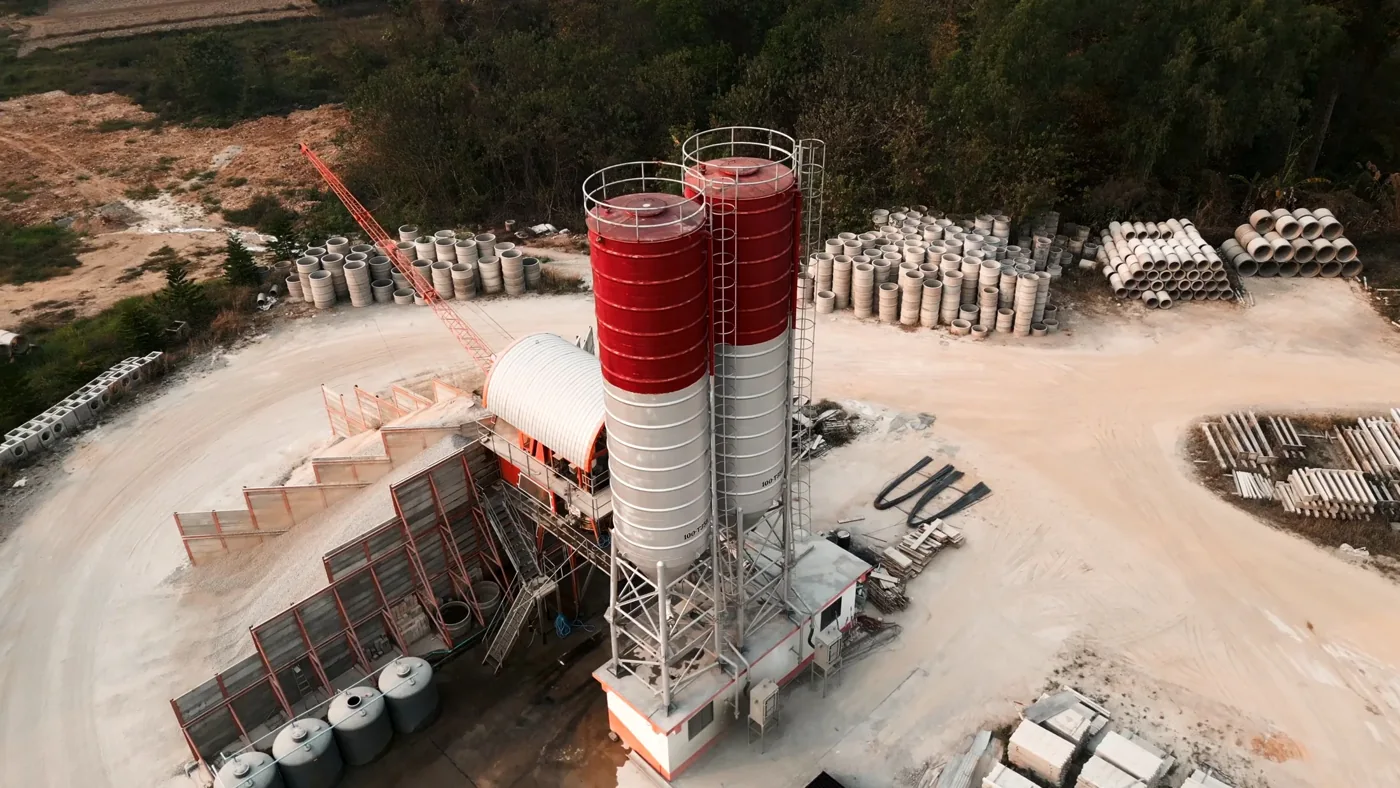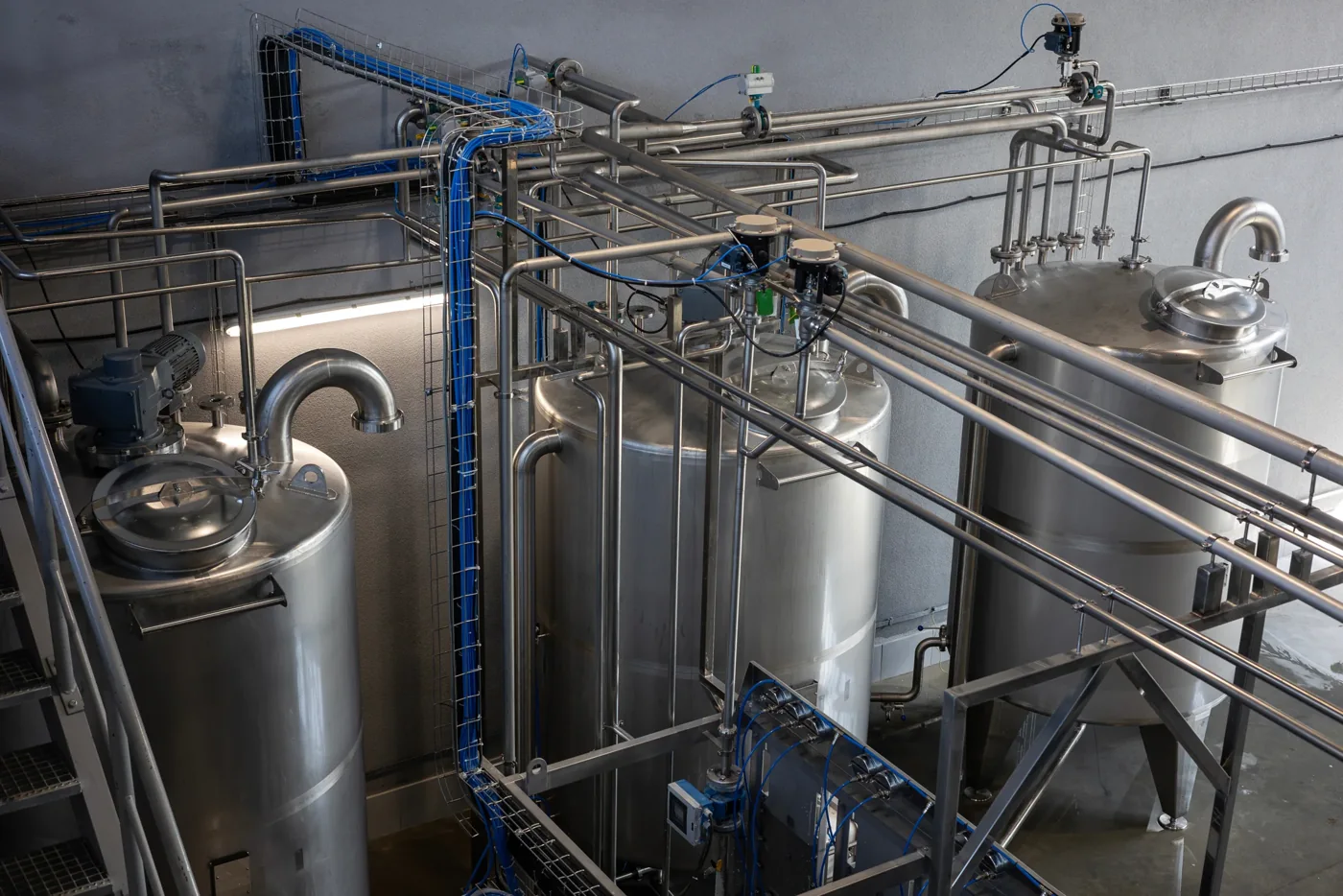
A silo should be cleaned before planned maintenance when retained product prevents access to the equipment or surfaces that must be examined, adjusted or repaired. Cleaning is not automatically necessary before every maintenance visit. The requirement depends on the specific task, the location and condition of deposits, and what the maintenance team needs to reach.
For a plant manager scheduling downtime, the practical decision is whether cleaning creates an essential working condition, improves the quality of an examination or would add unnecessary work to an otherwise limited intervention.
Start with the maintenance task, not the cleaning method
A planned shutdown may include several activities that place very different demands on the silo.
An external examination of an accessible drive or connection might be possible without removing material from the main vessel. An examination of a discharge transition could require removal of compacted product around the affected area. Internal wall assessment may need a much larger surface exposed.
The distinction matters commercially. Specifying a complete internal clean before confirming what the maintenance contractor needs could expand the shutdown unnecessarily. Specifying too little cleaning may leave the important component inaccessible when the maintenance team arrives.
Our silo maintenance cleaning support concerns preparing agreed areas for planned checks and maintenance work, while the actual servicing or repair of mechanical components remains a separate responsibility.
Which maintenance activities may require cleaning first?
Examination of internal walls and coatings
Powder, hardened product or other deposits can conceal coatings, joints and underlying wall surfaces. Where the inspection objective concerns their condition, accumulated material may need removing before meaningful observations can be made.
The required finish should follow the intended inspection. A visual examination and a specified measurement procedure may need different levels of surface preparation.
Work on discharge transitions and outlets
Material often remains around the cone, outlet throat, valves or adjacent equipment after normal discharge. Deposits can obstruct access to connection points, fasteners and surfaces requiring maintenance.
A restriction inside the stored material is different from a defective mechanical component. If the outlet assembly is to be dismantled, the maintenance contractor must also establish what contents remain above it and whether separating the equipment could release them.
Internal fittings and equipment interfaces
Level instruments, supports, liners, inspection openings and aeration interfaces can accumulate residue or become obscured by surrounding deposits.
Cleaning may expose those parts, but it does not calibrate an instrument, service a valve or confirm that a component meets its technical specification. The responsible maintenance specialist must determine the actual component work.
How much of the silo needs cleaning?
The appropriate extent is the smallest defined cleaning boundary that achieves the maintenance purpose without leaving necessary areas obstructed.
That boundary may be a particular outlet transition, selected wall panels, fittings at several elevations or the vessel interior more broadly. Its size should reflect the required examination coverage and the actual distribution of deposits.
It is useful to work from marked drawings, available photographs and observations from previous shutdowns. Identify the maintenance areas first, then map the deposits and access constraints affecting them.
Where a contractor cannot inspect a surface because of retained material or an internal obstruction, that limitation should be recorded rather than interpreting an incomplete view as a satisfactory condition.
For projects requiring a separate engineering examination, our silo inspection preparation information explains the distinction between exposing surfaces and assessing their mechanical or structural condition.
Should cleaning happen during the shutdown or beforehand?
Cleaning normally needs to be sequenced around product removal, plant isolation and the subsequent maintenance activities. The point at which it takes place can affect the overall shutdown duration.
A useful programme works backwards from the time when the maintenance specialist needs access. It should account for ordinary outloading, any residual-material removal, isolation of relevant equipment, access preparation, cleaning and the condition required for handover.
Where cleaning is required to expose measurement points or fasteners, the maintenance activity cannot sensibly begin until those areas are available. Conversely, unrelated external work may be able to proceed as part of the wider shutdown programme if the site’s arrangements permit it.
The Health and Safety Executive’s work equipment maintenance guidance explains the importance of planned maintenance, competent personnel, machinery isolation and coordination where contractors work on site.
This makes handover responsibilities important. The cleaning phase and the equipment-maintenance phase should each have a clearly defined scope, together with an agreed condition for transferring control.
Does the silo have to be entered?
Not necessarily. Some surfaces and deposits can be addressed or examined using suitable equipment operated from outside the vessel. Feasibility depends on openings, geometry, deposit condition and the access required by the subsequent maintenance activity.
Remote deposit removal is not automatically sufficient merely because equipment can enter through an opening. The method must be able to reach the specified areas and achieve the finish needed for the intended work.
The HSE’s confined-space legislation guidance explains that, where the Confined Spaces Regulations apply, entry must be avoided if it is reasonably practicable to carry out the work from outside. Where entry cannot be avoided, a safe system of work and suitable emergency arrangements are required.
For procurement, this means the cleaning contractor should be given the intended result, not instructed to use internal entry simply because the maintenance work concerns an internal component.
When is a repeated cleaning interval justified?
A fixed calendar interval is not automatically the most useful measure for every silo. Cleaning frequency should be reviewed against actual deposit development, product changes, operating conditions and the maintenance activities planned.
A vessel that develops persistent deposits near one discharge component may require attention to that region before specific maintenance tasks. Another silo may operate without significant internal build-up until a product change or detailed inspection makes cleaning necessary.
Useful records include the deposit locations found, material condition, areas cleaned and any areas that remained inaccessible. Comparing those records over successive shutdowns can help reveal whether the same cleaning requirement is recurring.
Removing deposits does not correct a defective feeder, inappropriate operating condition or underlying structural problem. Where build-up repeatedly affects operation, a separate engineering or equipment assessment may be necessary rather than simply shortening the cleaning interval.
What information should go into the quotation brief?
Before commissioning preparatory cleaning, assemble the information needed to establish a precise scope:
- The maintenance activity and the exact components or surfaces requiring access.
- The stored product, its recent operating history and any suspected hardened deposits.
- Whether normal discharge can remove the remaining contents sufficiently for the proposed work.
- Available vessel drawings, opening dimensions and restrictions created by internal fittings.
- The shutdown dates, isolation arrangements and scheduled maintenance contractor attendance.
- The required condition at handover, including how inaccessible areas will be identified.
Cleaning completion and maintenance completion should then be recorded separately. An exposed surface may be ready for engineering examination without having been assessed or approved for continued operation.
The most effective preparation follows the task. Define what maintenance must achieve, identify what retained material prevents, and commission cleaning only to the extent needed to establish the agreed access and surface condition.