A wood pellet silo that stops supplying a commercial biomass boiler may have a storage problem, a fuel transfer fault or an interruption at the boiler itself. A feed failure does not automatically mean the silo needs cleaning. The useful first distinction is whether pellets are unable to leave the storage vessel or whether they have reached a mechanical component that is no longer conveying them.
Start with where fuel movement has stopped
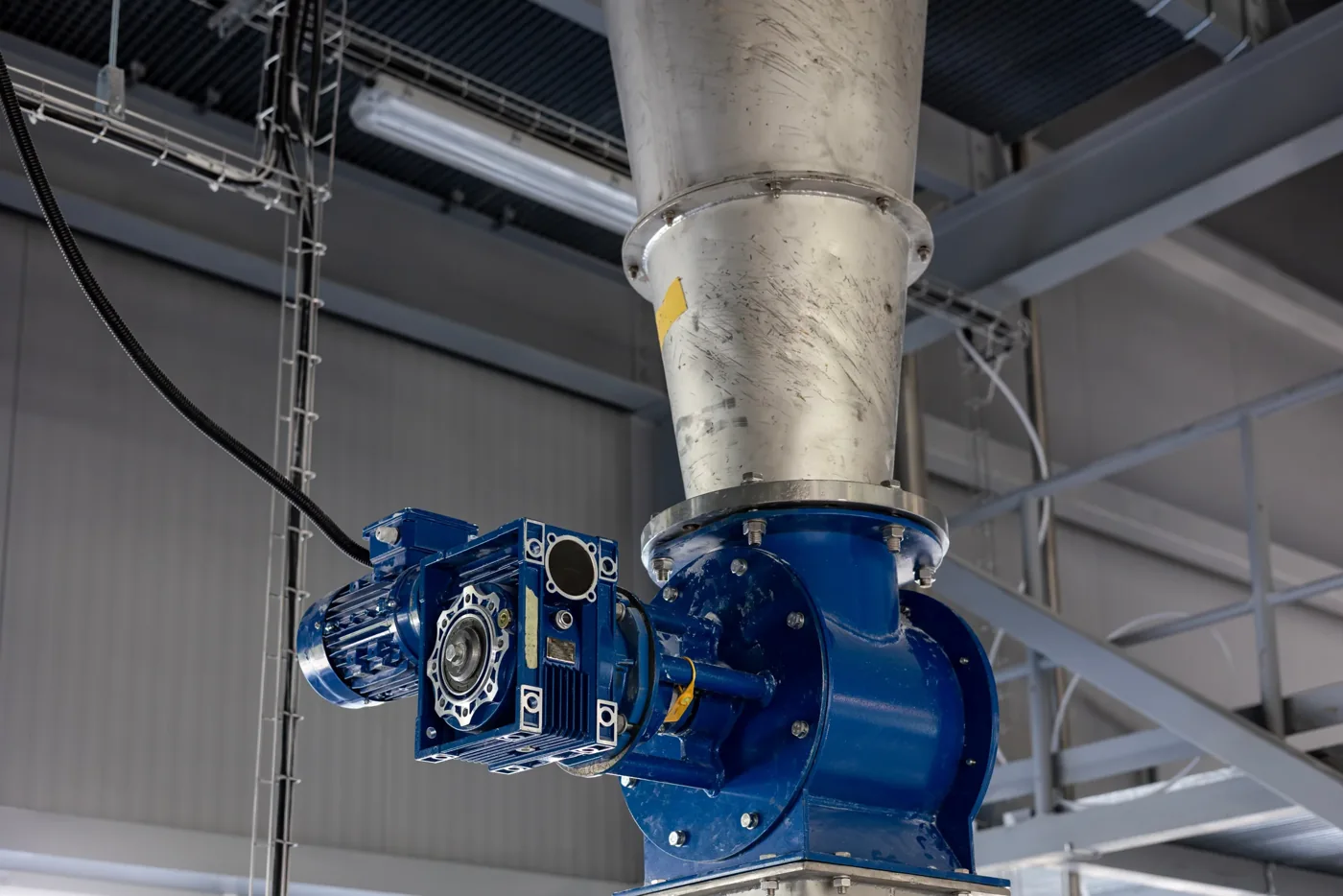
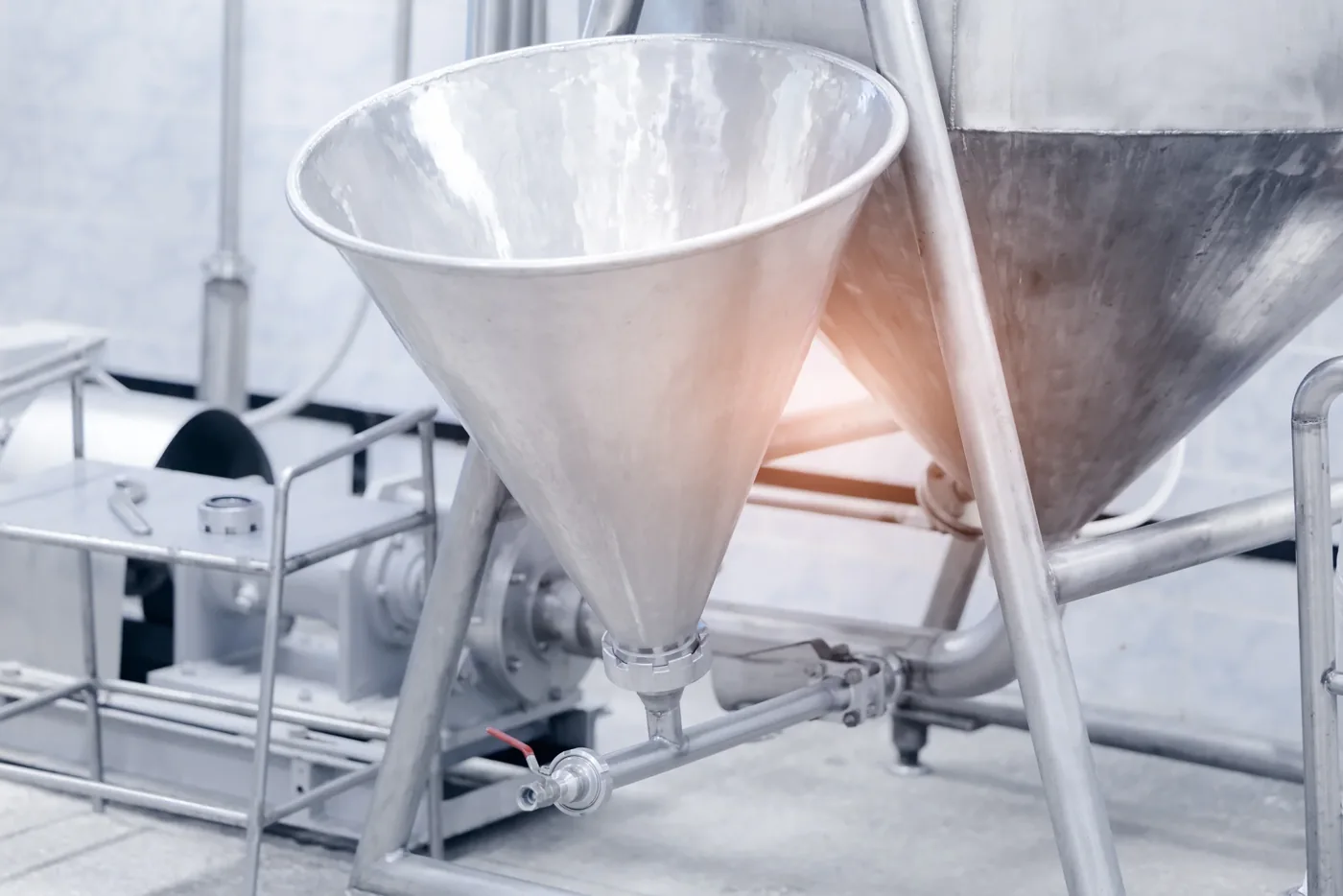
Pellets normally move from the storage area through a discharge arrangement and onwards to the boiler, commonly using an auger or another dedicated fuel transfer system.
Each stage can produce a similar operational symptom: the boiler reports insufficient fuel or stops delivering heat. Yet the underlying causes, access requirements and appropriate service differ.
Maintenance teams can use existing plant information, fault histories and normal operating indications to narrow down the affected stage without assuming that an internal silo blockage is responsible.
When the stored pellets are the problem
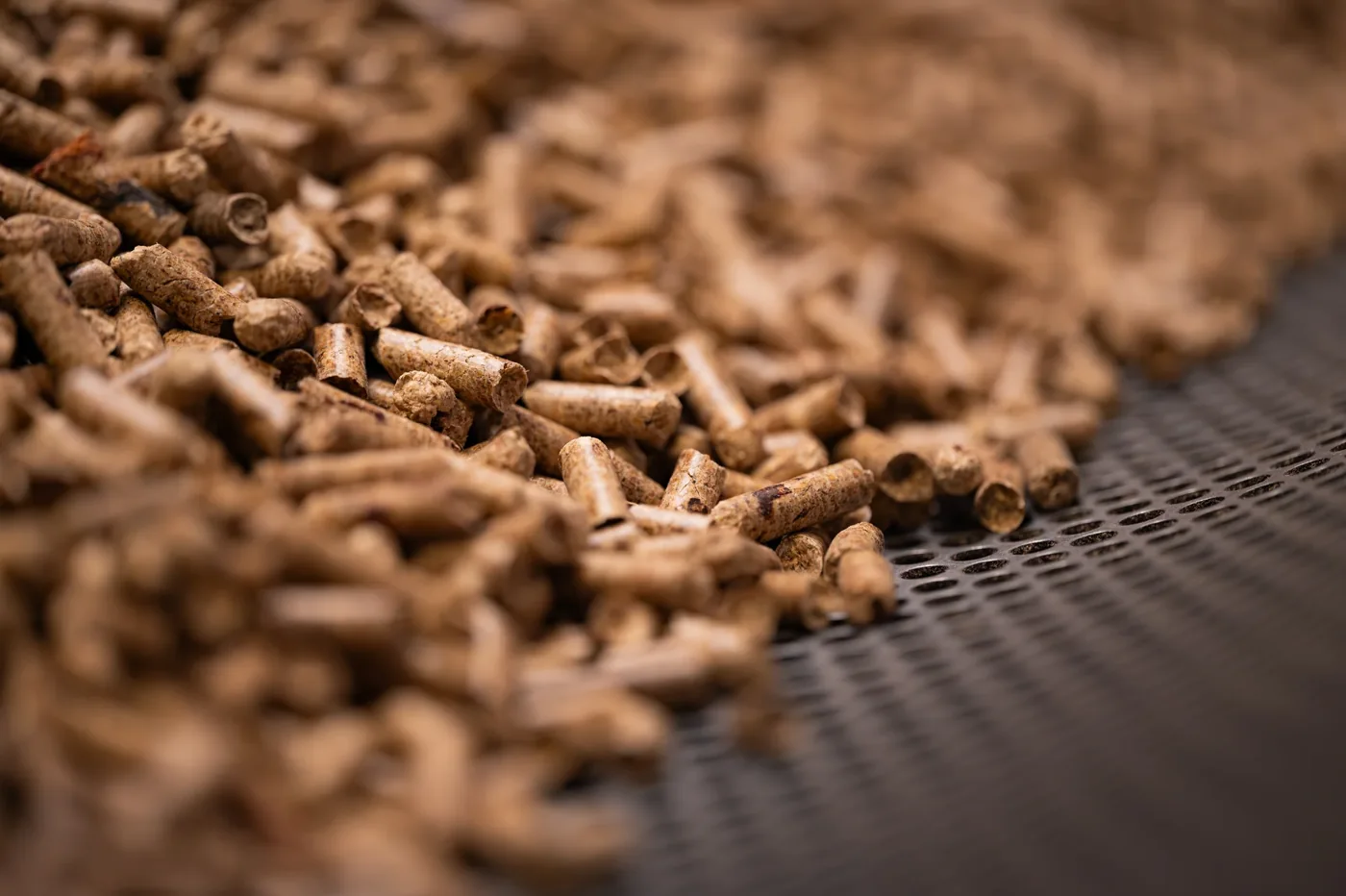
Wood pellets are manufactured to retain a relatively consistent shape, but their condition can change during delivery, handling and storage. Mechanical abrasion produces small particles known as pellet fines. These can accumulate where material settles or passes through restricted discharge points.
Other storage-related issues include:
- Retained deposits: Accumulated fines or older fuel may interfere with normal discharge.
- Moisture damage: Affected pellets can swell, lose their original shape and form cohesive material.
- Uneven flow: Material may remain against vessel walls while another section discharges.
- Outlet restriction: Compacted or damaged fuel can prevent pellets moving freely towards the transfer equipment.
These conditions may justify assessing the storage vessel and the need for biomass silo cleaning. If a substantial accumulation is obstructing the outlet, the immediate problem may instead involve silo unblocking, with cleaning considered once the retained material has been addressed.
Evidence of damaged fuel is also relevant to the cause. Removing affected deposits without understanding why pellets deteriorated may leave the underlying storage issue unresolved.
When the auger feed or boiler interface is responsible
A mechanically driven feed system has separate components that can prevent fuel movement even when pellets are available at the silo outlet.
An auger feed problem may involve a drive fault, damaged component, control interruption or material trapped within the conveying mechanism. These conditions are different from deposits on the silo walls.
Similarly, a boiler may stop requesting fuel because of its own controls or operating condition. Cleaning the storage vessel will not correct an electrical or mechanical defect elsewhere in the system.
The distinction matters when selecting who should investigate. The boiler or feed-system maintainer is responsible for assessing those components, while a silo cleaning specialist addresses deposits and retained material within the agreed storage scope.
Wood pellet storage has an additional atmospheric hazard
Wood pellets can release carbon monoxide while stored. An enclosed pellet silo or storeroom can also develop an oxygen-deficient atmosphere, independently of whether the boiler is operating normally.
The Health and Safety Executive’s wood pellet storage safety alert identifies these risks and specifically warns against entering storage areas or putting a person’s head into a pellet hopper to investigate problems.
Consequently, a feed interruption must not be investigated by improvised entry into the vessel. Any assessment requiring access to the storage atmosphere needs competent personnel and appropriate controls. A seemingly empty hopper can still present an atmospheric hazard.
Match the intervention to the confirmed fault
The relevant findings can be considered in three groups:
- Fuel retained in the silo: Assess deposits, damaged pellets, discharge restrictions and suitable cleaning or clearance work.
- Fuel available but not conveyed: Investigate the auger, drive, transfer equipment and associated controls.
- Fuel delivered but heat interrupted: Investigate the boiler and its operating controls through the appropriate maintenance service.
Where the evidence points to retained fines, caked material or residual pellets inside the storage vessel, cleaning can form part of restoring the storage arrangement. Where the fault lies downstream, resolving that specific mechanical or boiler problem should take priority over unnecessary silo cleaning.